The Flood Comes & We Pay
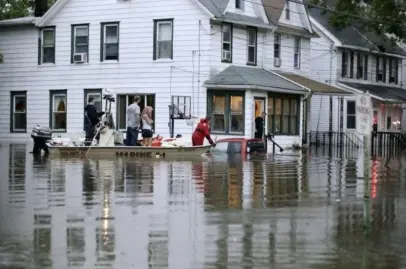
Storm after storm, town after town, we pay the price for a crisis we didn't cause.


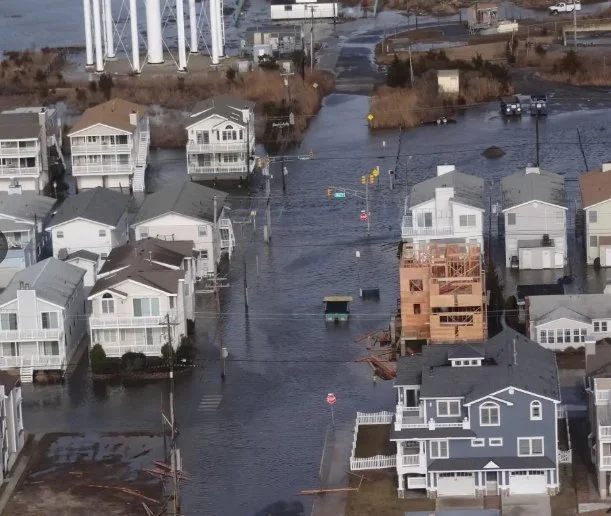
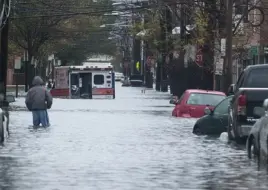

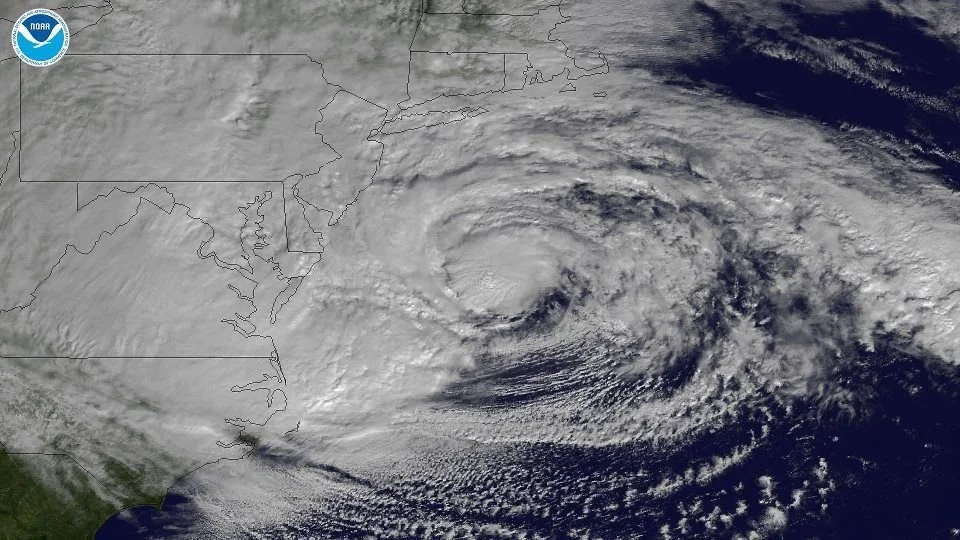
We drain our basements.
We toss out waterlogged furniture.
We wait for FEMA checks that never cover what was lost.
We rebuild — and wait for the next one.
This is the reality of climate change in New Jersey.
But more than that, it's the result of a system built by fossil fuel companies who knew this would happen, and kept drilling anyway. They lied. They cashed in.
And now, we're left to pick up the pieces.
They Knew. They Lied. And They're Still Lying.
They knew what would happen.
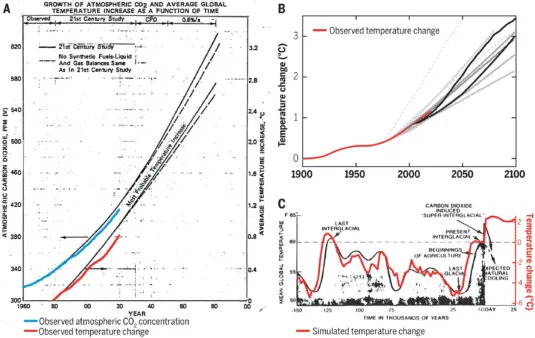
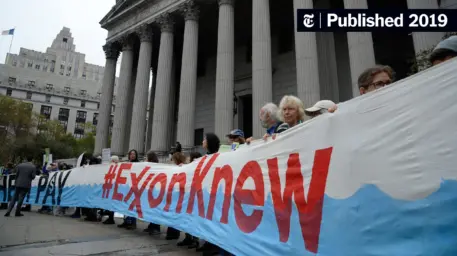
In 1977, Exxon’s top scientists told company executives the truth: burning fossil fuels would raise global temperatures by 2–3°C.
Their internal models accurately predicted the climate chaos we’re now living through—more floods, rising seas, deadly heat, and stronger storms.
They didn't warn the public.
They buried the science.
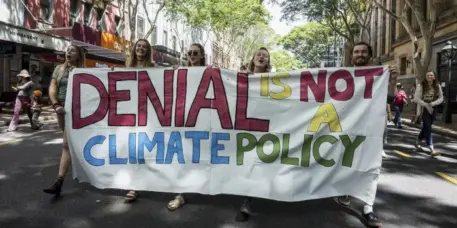
Then they spent decades lying about it.
Instead of changing course, companies like ExxonMobil, Chevron, Shell, and BP launched a multi-decade campaign to spread doubt, delay action, and confuse the public. They:
- Funded think tanks and PR firms to call climate science a “hoax”
- Created the Global Climate Coalition to lobby against U.S. climate policy
- Bought ads attacking the Kyoto Protocol, calling emissions cuts “economic suicide”
- Pressured presidents and Congress to reject international treaties
- Ran weekly opinion ads in newspapers to make global warming sound “uncertain”
And while they sold the lie that “everyone’s responsible,” they knew the truth:
100 fossil fuel companies are responsible for over 70% of global emissions.
We didn't choose this economy.
We didn’t choose to live in a system where every car runs on gas, every home is heated by oil or methane, and public transit and electric grids were left to crumble. That wasn’t a democratic decision — it was the fossil fuel business model.
They forced dependence. They built the trap.
Then they cashed in.
Now they want to avoid paying for the damage?
No way.
And it's still happening — right now, under Trump.
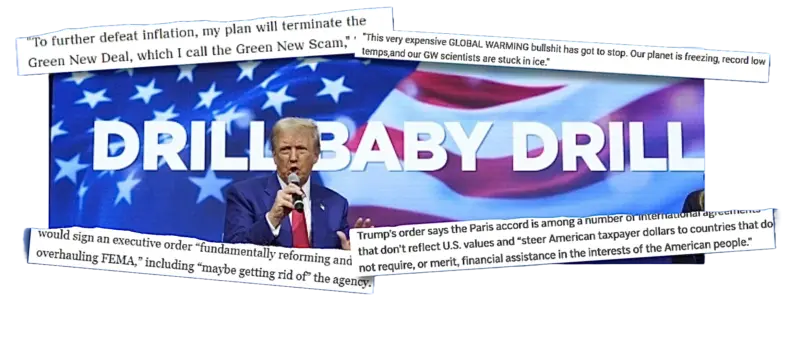
We are living through a second wave of climate denial, and this time it’s coming straight from the White House. Since returning to office in 2025, the Trump administration has launched a full-scale attack on climate policy:
- Re-withdrew from the Paris Agreement on Day One
- Ordered agencies to stop using the term "greenhouse gases" in all federal documents
- Scrubbed climate language from EPA and FEMA websites
- Blocked climate science from being used in federal environmental reviews
- Gutted the “social cost of carbon” from federal regulations — the very tool used to measure climate harm
Trump’s Secretary of Energy, a fossil fuel loyalist with ties to the fracking industry, has defunded renewable energy research and reinstated methane venting from oil fields.
Lee Zeldin, now a senior climate and energy advisor, has openly stated that fossil fuels are “the backbone of American freedom,” and has pushed to remove climate risk from all infrastructure planning.
This isn’t just history. It’s happening again — in real time.
They’re burying the science, denying the crisis, and trying to kill laws like the Polluters Pay to Make New Jersey More Affordable Act before they gain traction.
They lied then. They're lying now. And unless we act, they'll keep making money while we pay the price.
POLLUTERS PAY FOR A MORE AFFORDABLE NEW JERSEY ACT
What if we made the companies who caused this, pay to fix it?
That’s the idea behind Polluters Pay to Make New Jersey More Affordable Act; It’s modeled after the toxic waste Superfund law. Simple principle: if you make a mess, you clean it up.
Fossil fuel companies emitted over a billion tons of greenhouse gases. They knew exactly what those emissions would do. Now, they owe us. This bill would require them to pay into a dedicated fund—between $2 billion and $5 billion—to help us rebuild storm-damaged infrastructure, invest in flood protection, and adapt our communities.
No, it doesn’t raise taxes. No, it doesn’t affect small businesses.
Yes, the oil lobby is fighting it hard.
What is the Polluters Pay to Make New Jersey More Affordable Act?
Make Polluters Pay for A More Affordable New Jersey Act (S2338/A3735) is a bold, first-in-the-nation bill that says exactly what people in New Jersey have been thinking for years:
If fossil fuel companies caused the climate crisis and made billions doing it, they should help pay for the damage.
This bill would require fossil fuel corporations that have contributed more than 1 billion metric tons of greenhouse gases globally since 1995 and have operated, sold, or distributed fossil fuels in New Jersey to pay into a state-run climate recovery fund.
Not a tax. Not a lawsuit. A fair cost-recovery mechanism.
Here’s what that means in practice:
- The NJ Department of Environmental Protection and the State Treasurer will use established emissions data to identify the companies most responsible — global giants like ExxonMobil, Chevron, and Shell, but also any major fossil fuel entity that’s operated in New Jersey, including companies like PSEG or New Jersey Natural Gas, if they meet the emissions threshold.
- Each company will be charged based on how much damage they’ve caused, not as punishment — but as a way to cover the rising costs that towns and taxpayers are being forced to carry.
- Those payments will go into a dedicated Climate Superfund — not the general budget — and will be used exclusively for climate-related expenses, including:
- Rebuilding storm-damaged infrastructure
- Upgrading stormwater and flood protection systems
- Strengthening public services to withstand extreme weather
- Helping vulnerable communities adapt to rising heat and flooding
Think of it as "climate reparations for New Jersey"—except instead of asking politely, the state sends a bill.
How Much Would It Raise & Where Would It Go?
Estimated revenue: $2 billion to $5 billion, based on conservative models.
The funds would be entirely dedicated to:
- Climate resilience infrastructure: pumps, levees, flood walls, and drainage upgrades
- Buyouts or repairs for homes in repeated flood zones
- Urban heat island mitigation (such as tree cover, cooling centers)
- Public transit and grid upgrades to handle climate strain
- Coastal protections (e.g., dune systems, sea wall upgrades)
Importantly, it’s not general revenue. The law protects the fund from being raided for other budget priorities.
Legal Grounding: Based on Superfund Precedent
The bill is modeled after the federal Comprehensive Environmental Response, Compensation, and Liability Act (CERCLA), better known as Superfund, passed in 1980 after public outcry over toxic waste disasters like Love Canal.
That law:
- Identified a list of corporate polluters ("potentially responsible parties")
- Assigned them financial responsibility for cleanup
- Created a fund to pay for cleanup when polluters couldn’t
Polluters Pay to Make New Jersey More Affordable Act uses the same logic, but applies it to climate pollution instead of toxic waste.
Legal experts believe this is on solid constitutional ground, since:
- It uses existing scientific methods to calculate damages
- It applies retroactively just like the original Superfund law (which was upheld in court)
- It applies to corporate entities, not individuals
- It ties payment to past emissions, not present-day operations
Why This is a Smart Policy
It’s fiscally responsible:
New Jersey is facing billions in climate costs—and right now, it’s all being dumped on property taxpayers, renters, and towns that are going broke trying to protect themselves. This shifts the cost off of us, and onto the people who caused the crisis.
It’s legally sound:
The original Superfund model has been upheld multiple times. It’s retroactive, fair, and focused on cost recovery—not punishment. This isn’t about suing oil companies. It’s about making them pay into a fund, just like any other responsible party.
It’s politically strategic:
The climate movement is often criticized for not having revenue strategies. This is a clear funding mechanism that doesn’t require new taxes or borrowing. And it turns fossil fuel accountability into a pocketbook issue.
Why Now — and Why New Jersey?
New Jersey is one of the most climate-vulnerable states in the country:
- Sea level is rising faster here than the global average
- We’ve had multiple billion-dollar disasters in just the last 10 years
- We have thousands of homes in floodplains and aging infrastructure
- We’re also already spending hundreds of millions per year to recover from or prevent these disasters—but that money is coming out of local budgets, state debt, and federal aid that’s drying up.
And while New York passed their version of a Climate Superfund law in 2024 (the first in the nation), New Jersey can’t afford to wait and become the next disaster story.
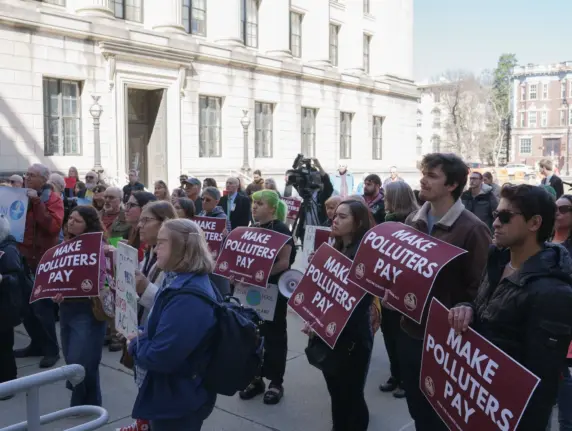
Who's Fighting Against It Now?
Polluters Pay to Make New Jersey More Affordable Act is being opposed by the same power players that have blocked climate action for decades: fossil fuel companies, petrochemical lobbyists, and their trade groups.
The American Chemistry Council, the oligarchs, and gas utilities are all lining up against this bill because they know it works—and because it threatens their ability to profit without consequence. In Trenton, one of their top enforcers is Ray Cantor of the New Jersey Business and Industry Association. He’s been leading the opposition, calling the bill “unfair” to industry while saying nothing about the communities still paying for the damage. These are the same interests that bankroll misinformation campaigns, push weak climate policy, and quietly rewrite legislation behind closed doors.
They’re not confused about the science—they just don’t want to pay. And unless we push harder than they lobby, they’ll win.
TAKE ACTION
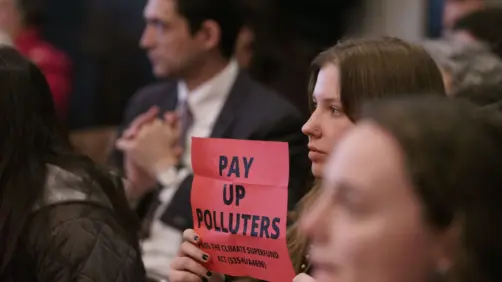
This bill won’t pass unless we act. Fossil fuel companies are already working behind the scenes to stop it—and the only way we win is if legislators hear from us directly.
Use the action tool to contact your legislators.
You can take action more than once—and you should. Every email, every message, every call, makes it harder for them to ignore what’s at stake.
Once you’ve taken action, share the link with your community. Post it. Forward it. Bring others in. The more voices they hear, the stronger we become.
Let’s make sure they know: New Jersey won’t keep footing the bill for Big Oil.
However, the work doesn’t stop at the form. This Guide to Passing Municipal Resolutions can help you utilize your resources and campaign for passing the Polluters Pay to Make New Jersey More Affordable Act within your community.