BAN TOXIC PFAS NOW
Toxic chemicals do not belong in the products we use every day
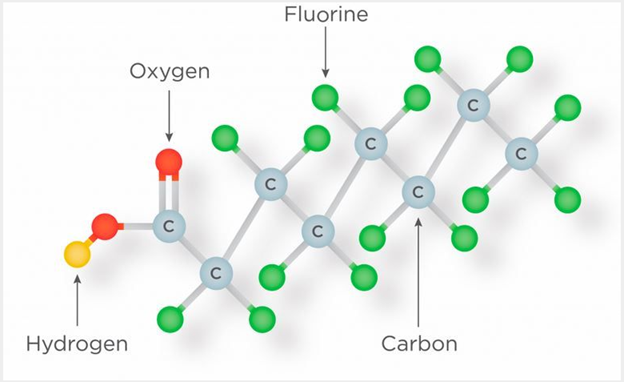
PFAS, often called “forever chemicals,” are a class of man made chemicals used in products because they resist water, stains, and grease. But that convenience comes at a huge cost. PFAS have been linked to cancer, immune system harm, developmental impacts, and hormone disruption, and they can persist in the environment for years. New Jersey should not allow toxic chemicals like these to remain in the clothing we wear or in menstrual products used directly on and inside our bodies.
Why this matters
When PFAS are added to apparel, worn, and washed, those very same chemicals can end up in wastewater systems and the broader environment. The EPA has found that conventional wastewater treatment is generally ineffective at destroying or controlling PFAS. That means these chemicals can keep moving through our water system instead of being safely removed.
Menstrual products should never contain forever chemicals
The inclusion of PFAS is especially outrageous when it comes to menstrual products. Nobody should have to worry about toxic forever chemicals in period products. Research has detected PFAS in some personal hygiene products, including sanitary pads, and menstrual cups. Researchers have warned that PFAS can affect women’s health through hormone related and reproductive pathways. At the most basic level, people deserve products that are safe, transparent, and free of unnecessary toxic chemicals.
PFAS pollution also raises costs for communities
PFAS contamination has a massive price tag. Once these chemicals get into water systems, cleanup and treatment can be expensive for utilities and municipalities. The U.S. Government Accountability Office reported that EPA’s revised national cost estimate for its PFAS drinking water rule was $1.5 billion, up from an earlier estimate of about $771.8 million. Here in New Jersey, even relatively small PFAS treatment projects can carry major price tags. Communities should not be stuck paying to clean up pollution tied to chemicals that never should have been in consumer products to begin with.

TAKE ACTION

New Jersey lawmakers should pass strong legislation to ban toxic PFAS from everyday products, including apparel and menstrual products. These are common sense protections that turn off the toxic PFAS tap to reduce direct exposure, help keep PFAS out of our waterways, and prevent more cleanup costs for towns and water systems.